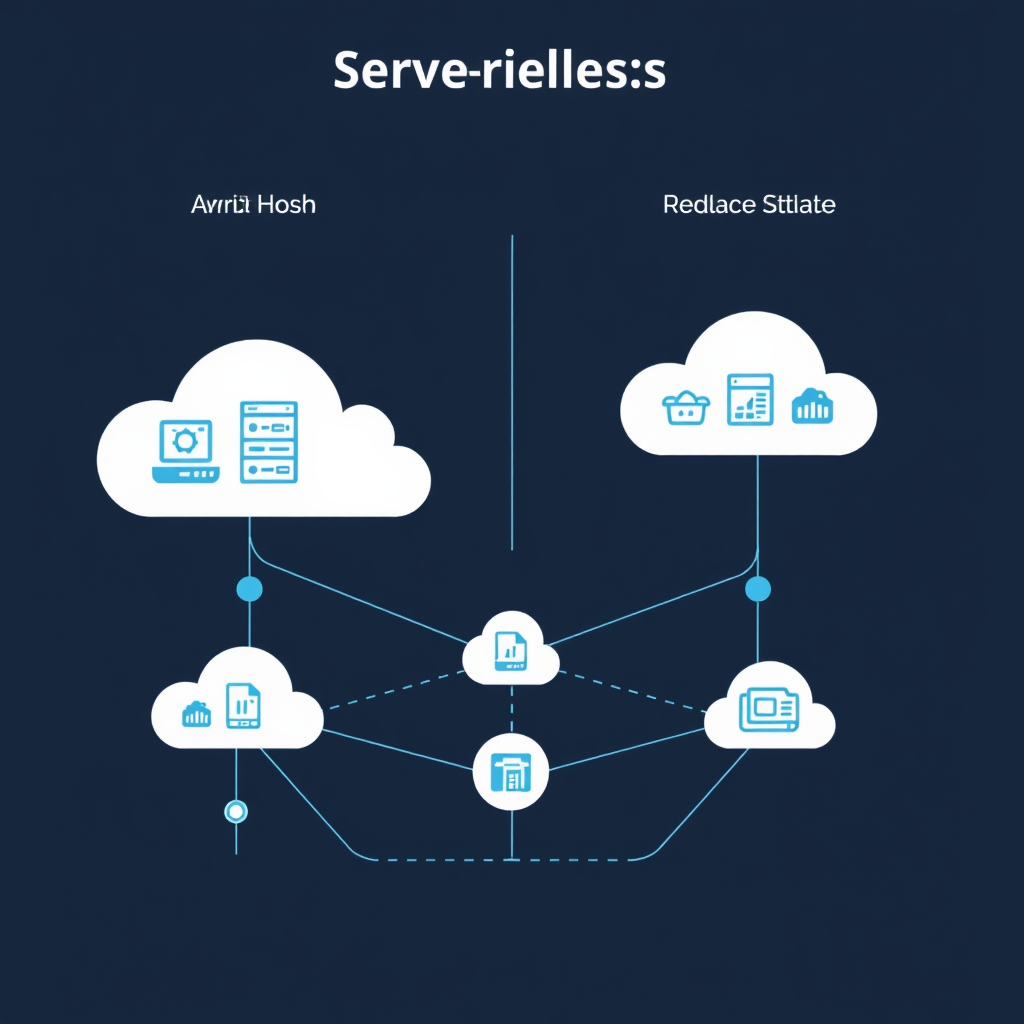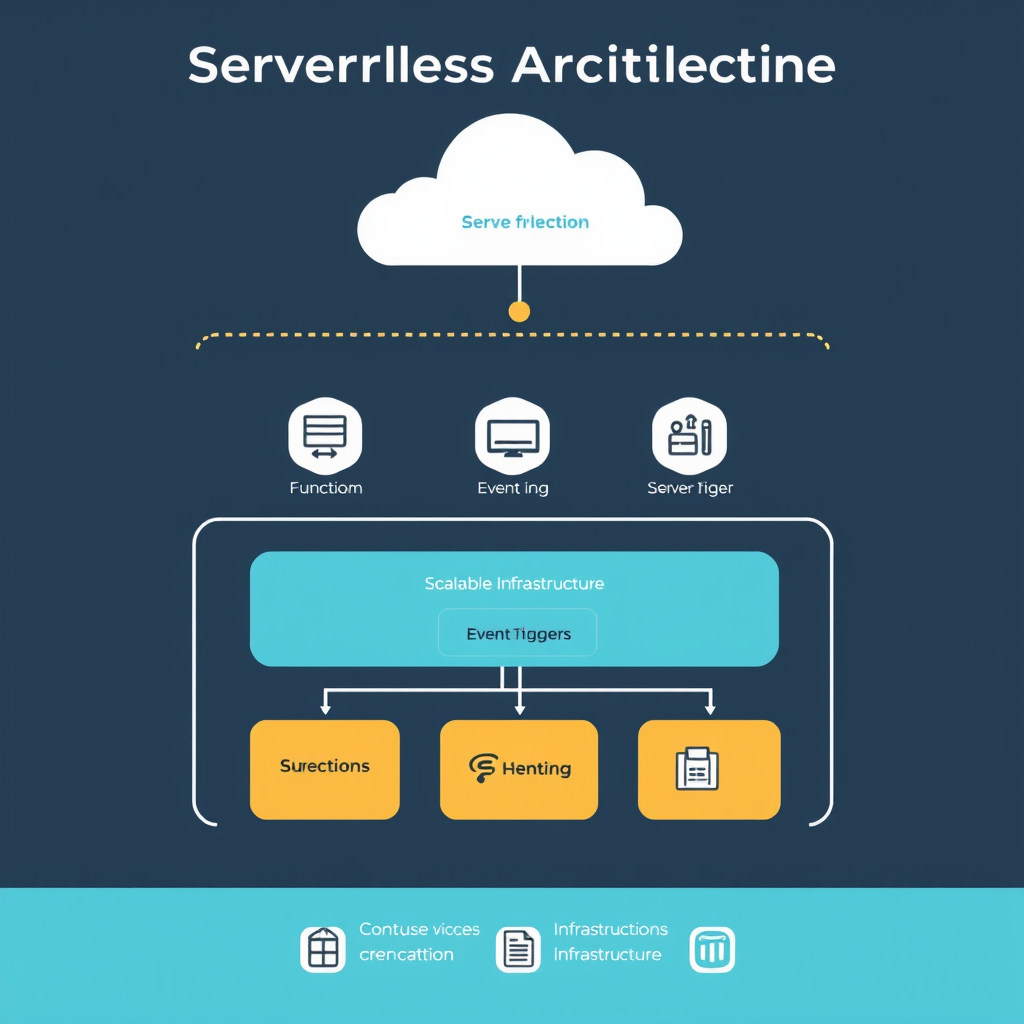
Serverless architecture offers powerful benefits, but understanding how to optimize costs and leverage scaling capabilities is where many organizations miss out on the full potential. While serverless eliminates server management overhead, smart cost management remains crucial for maximizing ROI.
The Cost Reality of Serverless
Many developers assume serverless is automatically cheaper, but that’s rarely true without careful planning. Serverless billing models charge per execution, not per idle time, creating unique cost patterns that differ dramatically from traditional hosting.
Key cost considerations include: cold starts (which increase execution time and cost), function duration (billed in 100ms increments), and concurrency limits that can trigger throttling or additional charges. Understanding these factors is essential before migrating existing workloads.
Optimization Strategies That Save Money
Start with cold start optimization. Use provisioned concurrency to keep functions warm for critical operations, reducing the performance hit of first requests. Configure appropriate memory allocations too—higher memory settings can actually reduce costs by executing faster and potentially minimizing total billing time.
Implement dead code elimination through selective function routing. Instead of running a single monolithic function for multiple purposes, break it down into smaller, specialized functions that only handle specific tasks. This reduces execution time and memory usage for each function call.
leverage caching strategies for frequently accessed data. Use external caching layers or function-level caching to avoid repeated computations. For read-heavy operations, consider storing results temporarily to reduce function invocation frequency.
Scaling vs. Cost Balance
Serverless scaling is automatic, but auto-scaling can lead to unexpected costs if not managed properly. Set appropriate concurrency limits to prevent runaway spending during traffic spikes.
Use asynchronous processing for non-critical operations to reduce immediate scaling demands. Queue requests for later processing rather than handling them instantly, especially for operations that can tolerate delays.
Implement rate limiting and throttling to control traffic flow during peak times. This prevents unnecessary function invocations while maintaining acceptable performance for critical user operations.
When Serverless Isn’t the Right Choice
Serverless struggles with long-running processes. Functions that run for several minutes or require persistent connections often become cost-prohibitive and perform poorly.
Stateful applications face challenges with serverless’ ephemeral nature. If your application requires complex state management across multiple requests, traditional hosting might be more suitable and cost-effective.
Database-intensive operations can be expensive. Serverless functions that perform complex database queries or transactions may cost more than the performance benefits justify.
Practical Migration Approach
Begin with non-critical, infrequently used features for your first serverless migration. Choose workloads with predictable, low traffic patterns to understand cost behaviors before tackling core business logic.
Monitor and measure closely during the migration period. Use provider-specific tools to track function execution times, error rates, and cost patterns. This data will inform optimization decisions for production workloads.
Start small and iterate. Migrate one function at a time, comparing costs against the equivalent traditional hosting approach. Build expertise gradually while controlling potential financial exposure.
Serverless represents not just a technical shift, but a strategic opportunity to optimize both operational complexity and cost structure. The key is understanding both the benefits and limitations to make informed decisions about which workloads truly deserve serverless treatment. When applied correctly, serverless can deliver significant cost savings while dramatically reducing operational overhead.