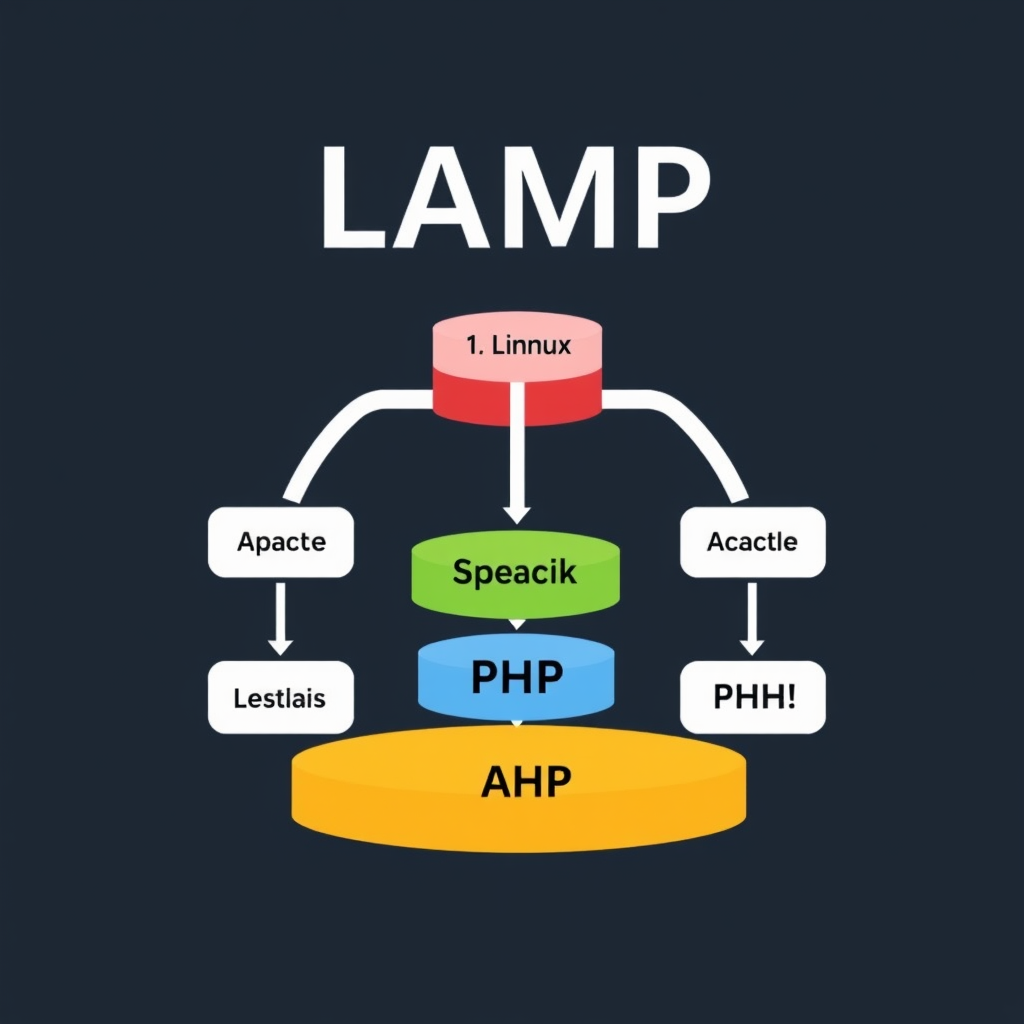
The LAMP stack—comprising Linux, Apache, MySQL, and PHP—has been the cornerstone of web development for decades. From its humble beginnings in the early 1990s to its widespread adoption today, LAMP has evolved from a simple collection of tools into a robust, mature platform that continues to power millions of websites worldwide.
The Origins: A Web Development Revolution
The LAMP stack emerged in the mid-1990s as web developers needed a complete solution for building dynamic websites. Before LAMP, developers had to piece together disparate tools that often didn’t work well together. The innovation was having all four components work seamlessly as a single stack.
Linux provided the stable, open-source operating system foundation. Apache emerged as the first truly popular web server, replacing earlier servers like NCSA Httpd. MySQL offered a fast, reliable database solution, while PHP (originally Personal Home Page Tools) provided an easy way to create dynamic web pages that could interact with databases.
The Evolution: From Niche to Mainstream
Throughout the late 1990s and early 2000s, LAMP gradually became the de facto standard for web application development. Several factors contributed to its dominance:
-
Open Source Philosophy: The availability of free, community-driven software lowered barriers to entry and encouraged widespread adoption
-
Reliability and Performance: Mature, battle-tested technologies provided stability that businesses could trust
-
Developer Familiarity: Many developers already knew these tools, reducing training costs and accelerating development
-
Scalability: The stack could handle everything from simple blogs to complex enterprise applications
-
Containerization and orchestration tools simplifying LAMP deployment
-
DevOps practices making LAMP management more efficient
-
Integration with modern development workflows and CI/CD pipelines
Rather than being replaced, LAMP has been enhanced. Many modern applications still use LAMP at their core, even if they add additional layers for specific use cases.
Key Takeaways
The LAMP stack’s enduring success tells us something important about technology and software development:
-
Simplicity wins over complexity: A working stack that developers understand tends to prevail
-
Open source fosters innovation: Community-driven development creates robust, adaptable solutions
-
Maturity matters: tried-and-tested technology provides reliability
-
Flexibility enables longevity: Systems that can evolve with changing needs endure
Whether you’re building a personal blog, an e-commerce site, or a large enterprise application, understanding the history and continued relevance of the LAMP stack provides valuable perspective on web development today. It reminds us that sometimes the best solution isn’t the newest one, but the one that has proven itself through decades of real-world use.
Leave a Reply