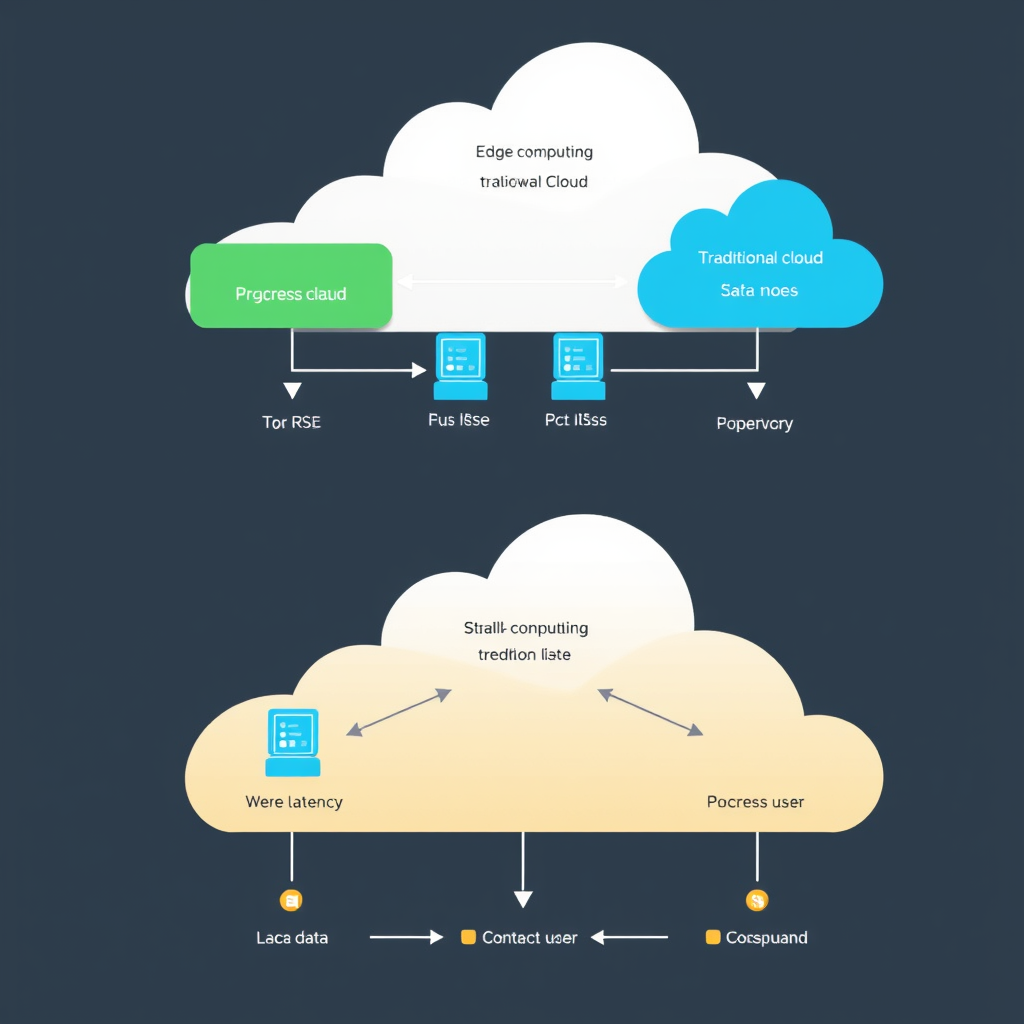
Edge computing represents a paradigm shift in how modern websites process and deliver data, bringing computation closer to where it’s actually needed rather than relying solely on distant cloud servers. This architectural approach is transforming web development by reducing latency, improving user experience, and enabling new capabilities that were previously impossible with traditional cloud-only architectures.
The Core Problem Edge Computing Solves
Traditional websites typically route all user requests to centralized cloud servers, which can introduce significant delays—especially for users far from those data centers. These delays manifest as slower page loads, delayed interactions, and reduced overall user satisfaction. Edge computing addresses this fundamental limitation by processing data at strategic points closer to end users.
Key Benefits for Modern Websites
1. Dramatically Reduced Latency
By processing requests locally at edge locations, websites can achieve sub-50ms response times even for complex operations. This translates to instant page loads, responsive interactions, and smooth user experiences, particularly critical for applications like real-time gaming, video streaming, and interactive web applications.
2. Improved Reliability and Performance
Edge computing provides built-in redundancy by distributing workload across multiple locations. If one edge node fails, traffic can seamlessly reroute to another, ensuring continuous service availability. Additionally, local processing reduces bandwidth requirements and costs by filtering and processing data before it travels to central servers.
3. Enhanced Security and Privacy
Edge computing keeps sensitive user data localized, reducing exposure to network-based attacks during transmission to central servers. This is particularly valuable for applications handling personal data, financial information, or other confidential content, helping websites comply with privacy regulations like GDPR and CCPA.
4. Bandwidth Optimization
By processing data at the edge, websites can significantly reduce the amount of data that needs to travel to and from central cloud servers. This optimization reduces bandwidth costs, improves network efficiency, and enables more users to access the same service simultaneously without degradation in performance.
Implementation Strategies for Modern Websites
1. CDN Integration
Content Delivery Networks like Cloudflare, Fastly, and Amazon CloudFront have evolved beyond simple static file caching to support serverless functions at the edge. This enables dynamic content processing—like image optimization, authentication checks, or API routing—directly at edge locations.
2. Serverless Functions at the Edge
Platforms like Cloudflare Workers, Vercel Edge Functions, and AWS Lambda@Edge allow developers to write JavaScript/TypeScript code that executes at edge locations. This enables real-time content personalization, A/B testing, geographic routing, and other dynamic processing without maintaining dedicated edge infrastructure.
3. Edge Databases and Caching
Modern edge platforms provide access to distributed databases and caching solutions that keep frequently accessed data close to users. This includes key-value stores like Redis, document databases, and custom data stores that synchronize with central databases while maintaining low-latency access.
4. Geographic Content Routing
Edge computing enables intelligent routing based on user location, language, or other factors. Websites can serve localized content, optimize for regional regulations, or direct users to the nearest data center for optimal performance without complex global load balancing setups.
Practical Implementation Considerations
When implementing edge computing for your website, consider these key factors:
- Gradual Migration: Start with critical user journeys and expand incrementally rather than attempting a complete rewrite.
- Performance Monitoring: Edge performance varies by geography, so implement comprehensive monitoring across your user base.
- Cost Optimization: Edge computing pricing models differ from traditional cloud, so review usage patterns and set appropriate limits.
- Development Workflow: Adapt your CI/CD pipeline to deploy to multiple edge locations simultaneously.
- Testing Strategy: Test edge functions from different geographic locations to ensure consistent behavior worldwide.
The Future Landscape
Edge computing is not just a current trend—it’s shaping the future of web architecture. As 5G networks become more widespread and IoT devices proliferate, the need for low-latency, locally-processed data will only intensify. Websites that adopt edge computing now will be positioned to deliver exceptional user experiences while staying competitive in an increasingly demanding digital landscape.
By embracing edge computing, modern websites can achieve unprecedented performance, reliability, and user satisfaction while reducing infrastructure costs and improving security. The technology is mature enough for production use today, making this an opportune moment for forward-thinking web developers to implement edge computing strategies and future-proof their applications.
Leave a Reply