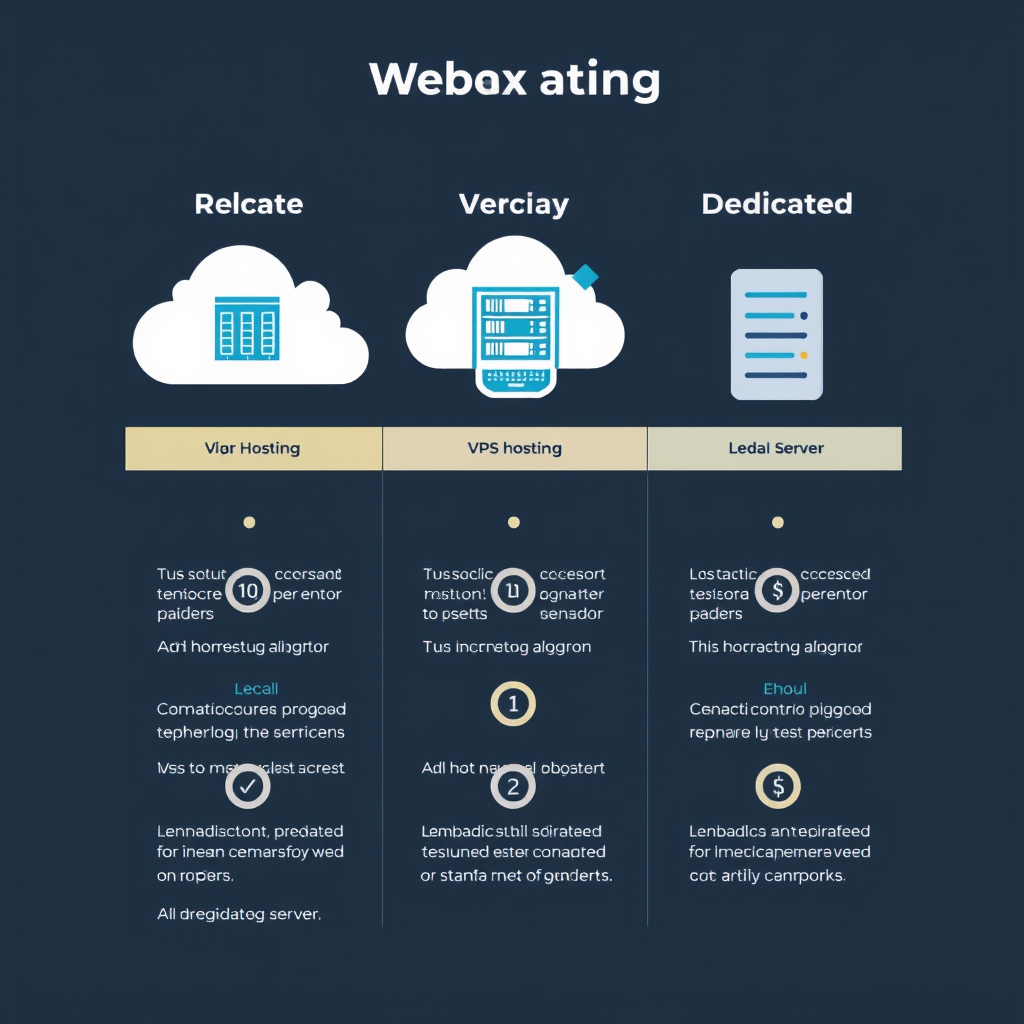
When it comes to choosing web hosting, the options can feel overwhelming. You see terms like “shared hosting,” “virtual private server (VPS),” and “dedicated server” everywhere, but what do they really mean? This guide breaks down the key differences between these three hosting options in plain language, so you can make the right choice for your website without getting lost in technical jargon.
What Are the Three Main Hosting Types
Think of web hosting like renting space on a computer (server) to store your website files. The three main options differ mainly in how much control you have, how much power you get, and how much you pay.
1. Shared Hosting – The Beginner-Friendly Option
Shared hosting is like renting a single room in an apartment building. Your website shares the server’s resources (CPU, memory, storage) with many other websites. This is the most common and affordable option.
Pros:
- Very affordable – Usually $5-15 per month
- Easy to use – Most setup is handled for you
- No technical knowledge needed – Your host manages everything
- Good for beginners – Perfect for small businesses and personal sites
Cons:
- Limited resources – You’re sharing everything
- Performance can suffer – Other sites affect you
- Limited control – You can’t install custom software
- Scalability issues – Hard to grow beyond basic needs
2. VPS Hosting – The Middle Ground
VPS hosting is like renting a condominium unit. You still share the building with others, but you have your own private space with dedicated resources. The server is divided into multiple virtual servers, each acting like its own server.
Pros:
- Dedicated resources – Your CPU, RAM, and storage are yours alone
- Better performance – Not affected by other websites
- More control – You can install custom software
- Scalable – Easy to upgrade as you grow
Cons:
- More expensive – Usually $40-100 per month
- Some technical knowledge – May need to manage certain aspects
- Virtual nature – Still shares the underlying hardware
3. Dedicated Server – Maximum Control and Power
A dedicated server is like owning an entire house. You have complete control over the entire server – its resources, software, and configuration. You’re the only one using it.
Pros:
- Maximum power – All server resources yours
- Complete control – Install anything you want
- Best performance – No sharing or limitations
- Highly secure – Your own isolated environment
Cons:
- Most expensive – Typically $150-500+ per month
- Technical expertise required – You manage everything
- Higher overhead
How to Choose the Right Option for You
The best choice depends on your specific needs, budget, and technical comfort level. Here’s a simple decision guide:
- Start with shared hosting if you’re on a tight budget, running a small website, and want something that just works
- Choose VPS hosting if your website is growing, you need more control, or you have basic technical skills
- Go with a dedicated server if you run a high-traffic business site, need custom software, or have technical staff
Many websites start with shared hosting and upgrade to VPS as they grow, just like many people start with basic cable TV and upgrade to internet service later.
Future-Proofing Your Choice
Consider that your hosting needs will likely change over time. If you’re confident your website will grow beyond a few hundred visitors daily, starting with VPS might save you from disruptive upgrades later. However, if you’re unsure about your needs, shared hosting lets you test the waters first.
Remember that good hosting is only one part of a successful website. Content, design, and optimization also play crucial roles in your site’s performance and user experience.
Leave a Reply