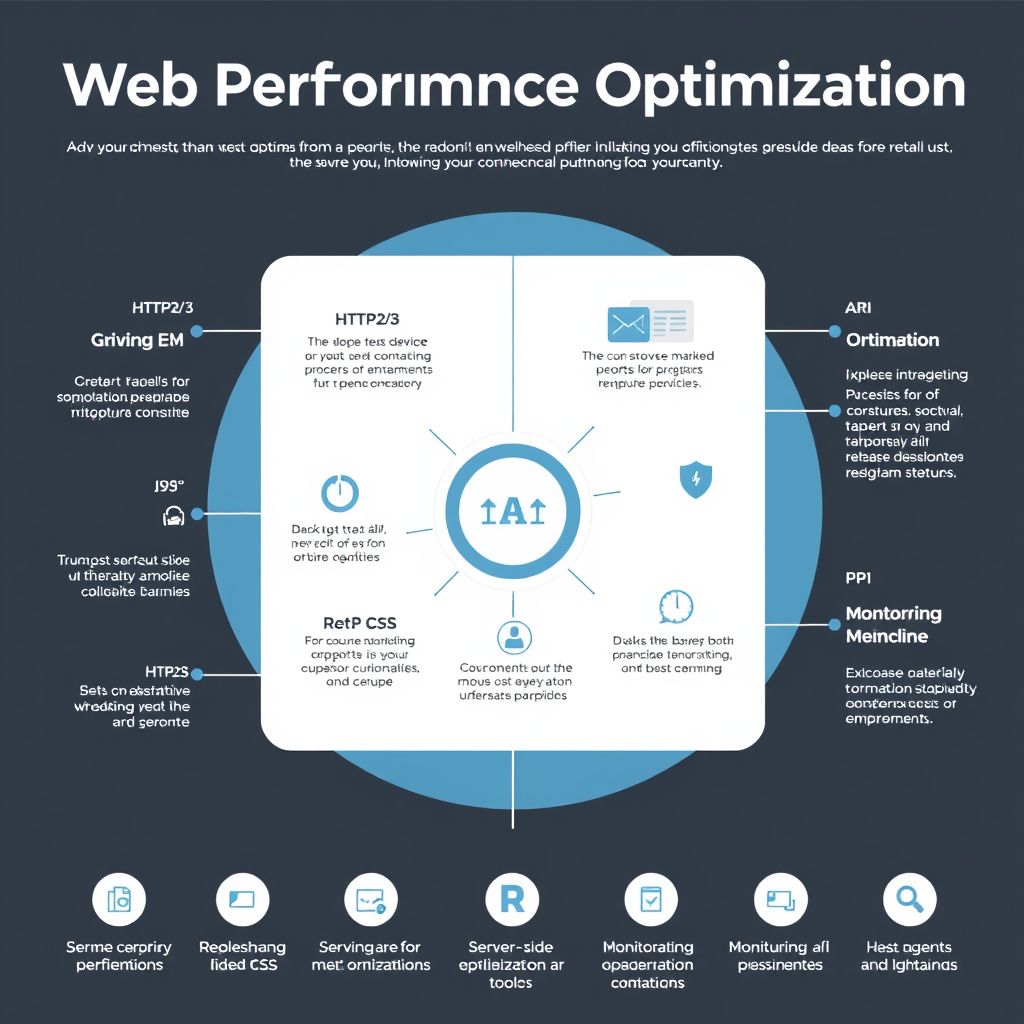
Web performance optimization (WPO) has evolved far beyond simple caching strategies. While caching remains fundamental, today’s performance demands require a sophisticated, multi-layered approach that addresses every aspect of the user journey. Let’s explore advanced techniques that go well beyond basic caching to create truly high-performing web experiences.
The Limitations of Traditional Caching
Basic caching—page caching, browser caching, CDN caching—provides significant performance benefits but has diminishing returns. Modern web applications face complex challenges: dynamic content, personalized experiences, mobile networks, and evolving browser capabilities. To stay competitive, you need a holistic performance strategy that treats optimization as an ongoing process, not a one-time configuration.
Advanced HTTP/2 and HTTP/3 Optimization
HTTP/2 and HTTP/3 offer substantial performance improvements, but many sites don’t leverage their full potential:
- Server Push Strategic Implementation: Use HTTP/2 server push for critical resources like fonts, CSS, and API responses, but only when you’ve analyzed actual resource waterfalls. Overusing server push can backfire by preloading resources you don’t need.
- Prioritization Settings: Configure HTTP/2 priority levels to reflect your content hierarchy. Use LOWER_PRIORITY for analytics, SECONDARY_PRIORITY for tracking pixels, and HIGH_PRIORITY for critical rendering path resources.
- Multiplexing Optimization: Ensure your server can handle many concurrent connections efficiently. Test with tools that simulate realistic traffic patterns.
- HTTP/3 Adoption: For sites already on HTTP/2, consider migrating to HTTP/3 for faster connection establishment and reduced latency, especially on mobile networks.
Critical CSS and Resource Timing
Critical CSS implementation goes beyond simply inlining styles. Modern approaches include:
- CSS Containment: Use
contain: layout style paintto isolate component styles and reduce recalculation impact. - CSS Caching Strategies: Implement cache busting for CSS files using versioned filenames and proper cache headers.
- Resource Timing API: Monitor actual resource loading times to identify bottlenecks that profiling tools might miss.
- Lazy Loading Strategies: Go beyond images to include iframes, scripts, and even entire below-the-fold sections.
Server-Side Optimization
Server-side optimizations often deliver the biggest performance gains:
- Database Query Optimization: Add indexes strategically, use query caching where appropriate, and implement prepared statements for security and performance.
- Image Processing Pipelines: Use modern image formats (WebP, AVIF) and deliver appropriately sized images based on device capabilities.
- Edge Computing Integration: Leverage Cloudflare Workers, AWS Lambda@Edge, or similar services for dynamic content transformation at the edge.
- Compression and Minification: Ensure you’re using Brotli and gzip efficiently, and consider new compression formats like Zstandard.
Client-Side Performance Monitoring
Understanding real user performance is crucial for optimization:
- Real User Monitoring (RUM): Collect actual user experience data to identify patterns and priorities effectively.
- Performance Budgets: Set specific targets for bundle size, request count, and load time to guide optimization decisions.
- Progressive Enhancement: Design your application so it works well even with limited JavaScript, falling back gracefully when needed.
- Annual Performance Reviews: Regularly assess whether your optimization strategies still meet current user expectations and technical possibilities.
The Future of Performance Optimization
Looking ahead, several emerging technologies will transform performance optimization:
- WebAssembly for Dynamic Content: Replace JavaScript where possible for better performance and type safety.
- Cache Storage and Indexes: Leverage modern browser storage APIs for sophisticated client-side caching strategies.
- Progressive Enhancement: Build performance into your architecture from the ground up, not as an afterthought.
- Privacy-Preserving Performance: Implement optimization techniques that respect user privacy and consent.
The most successful sites of the future will treat performance as a core product feature, not an optional optimization. By moving beyond basic caching and adopting these advanced techniques, you’ll deliver experiences that not only load quickly but also feel responsive and reliable across all devices and network conditions.
Start with one or two of these advanced techniques, measure the impact, then progressively implement more. The key is treating performance optimization as an ongoing journey, not a checklist item.
Leave a Reply