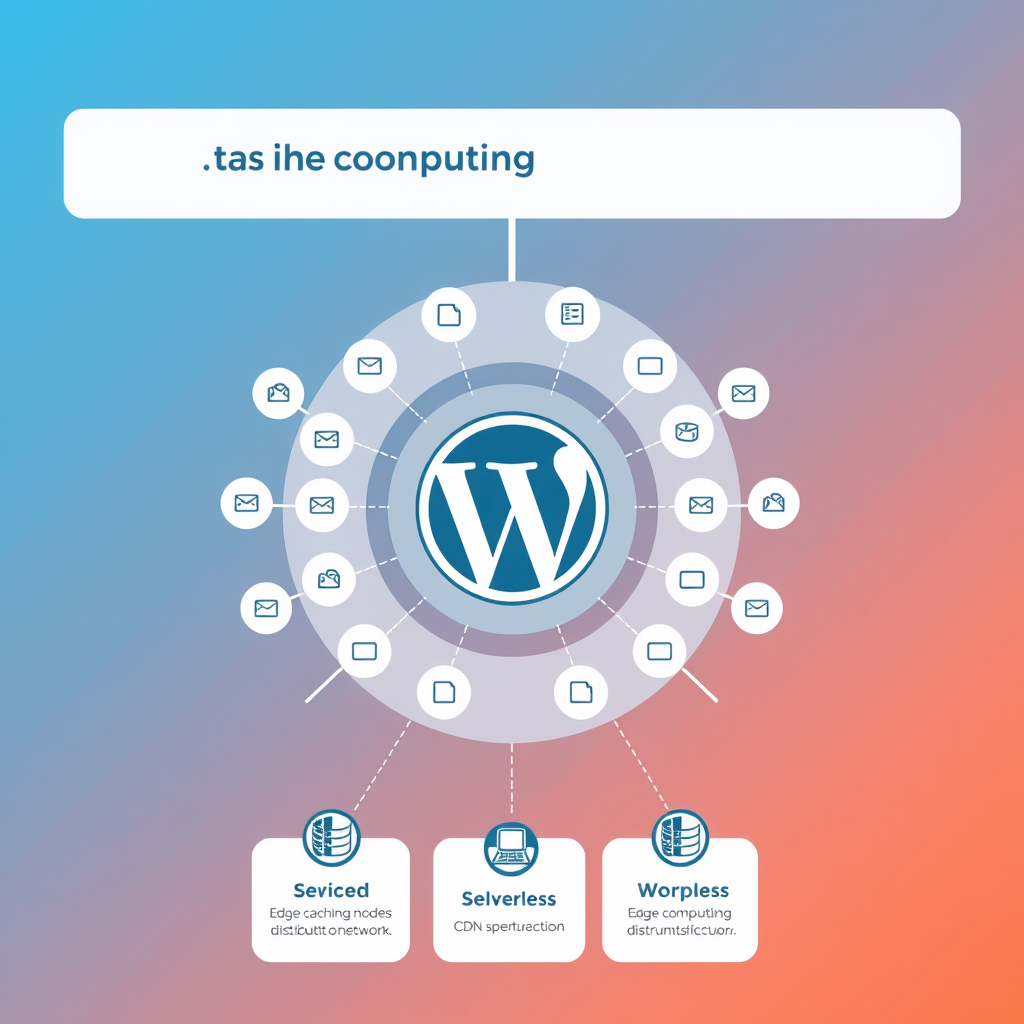
Edge computing is revolutionizing how WordPress sites deliver content, offering dramatically faster response times by processing requests closer to users. But with various edge technologies available—from edge caching and CDN functions to serverless compute—how do you know which approach is right for your specific use case?
The Edge Computing Landscape for WordPress
WordPress can benefit from edge computing in three primary ways:
- Edge Caching: Store and serve cached pages at edge locations worldwide
- CDN Functions: Run custom JavaScript at CDN edge locations for dynamic transformations
- Serverless Functions: Execute PHP or Node.js code at the edge for real-time personalization
When to Use Edge Caching
Edge caching is your go-to solution when you need to dramatically reduce latency for static or semi-static content. This approach shines for:
- Blog posts and articles with minimal personalization
- Product pages in e-commerce sites
- Documentation and knowledge base content
- Static landing pages and marketing sites
- Standard WordPress core content that doesn’t require real-time personalization
By caching these content types at edge locations, you can achieve sub-second load times globally, regardless of your server’s physical location.
When CDN Functions Make Sense
CDN Functions (or edge functions) are ideal when you need lightweight dynamic processing that still benefits from edge proximity. Perfect use cases include:
- Image transformations (resizing, compression, format conversion)
- Response header modifications and security headers
- Basic A/B testing and feature flags
- Language-specific routing and regional content delivery
- Rate limiting and basic bot protection
- URL rewriting for legacy migrations or SEO
These operations benefit from being performed at the edge because they need to be fast, consistent, and scale globally without expensive server resources.
When Serverless Functions Are the Right Choice
Serverless edge functions shine when you need more complex logic that can still benefit from edge proximity. Consider using them for:
- Personalized content based on user behavior or preferences
- Dynamic pricing or regional pricing logic
- Real-time authentication against external services
- Complex business logic that needs to run consistently worldwide
- Database queries that benefit from reduced latency
- Integration with third-party APIs for dynamic content
The key is that serverless functions at the edge are perfect when you need logic execution with global consistency but want to avoid the complexity and cost of maintaining a global server infrastructure.
Making the Right Choice for Your WordPress Site
Start with a simple hierarchy of edge technologies:
- Edge Caching for static content
- CDN Functions for lightweight transformations
- Serverless Functions for complex logic
Evaluate your specific use cases, performance requirements, and budget constraints. Many modern WordPress hosts offer edge caching as standard, while CDN functions and serverless options typically require additional services or custom implementations.
The most successful WordPress sites often use a combination of these edge technologies, creating a hybrid approach that optimizes performance, cost, and functionality based on each content type and user need.
Future Outlook
As edge computing continues to mature, we can expect more integrated solutions that make it easier to combine these approaches. WordPress is increasingly embracing edge technologies, with many hosting providers offering built-in edge caching and newer solutions supporting custom edge functions directly within the WordPress ecosystem.
For forward-thinking WordPress developers and site owners, understanding when and how to use edge computing isn’t just about performance—it’s about creating globally competitive digital experiences that scale efficiently and deliver exceptional user experiences regardless of geography.
Leave a Reply