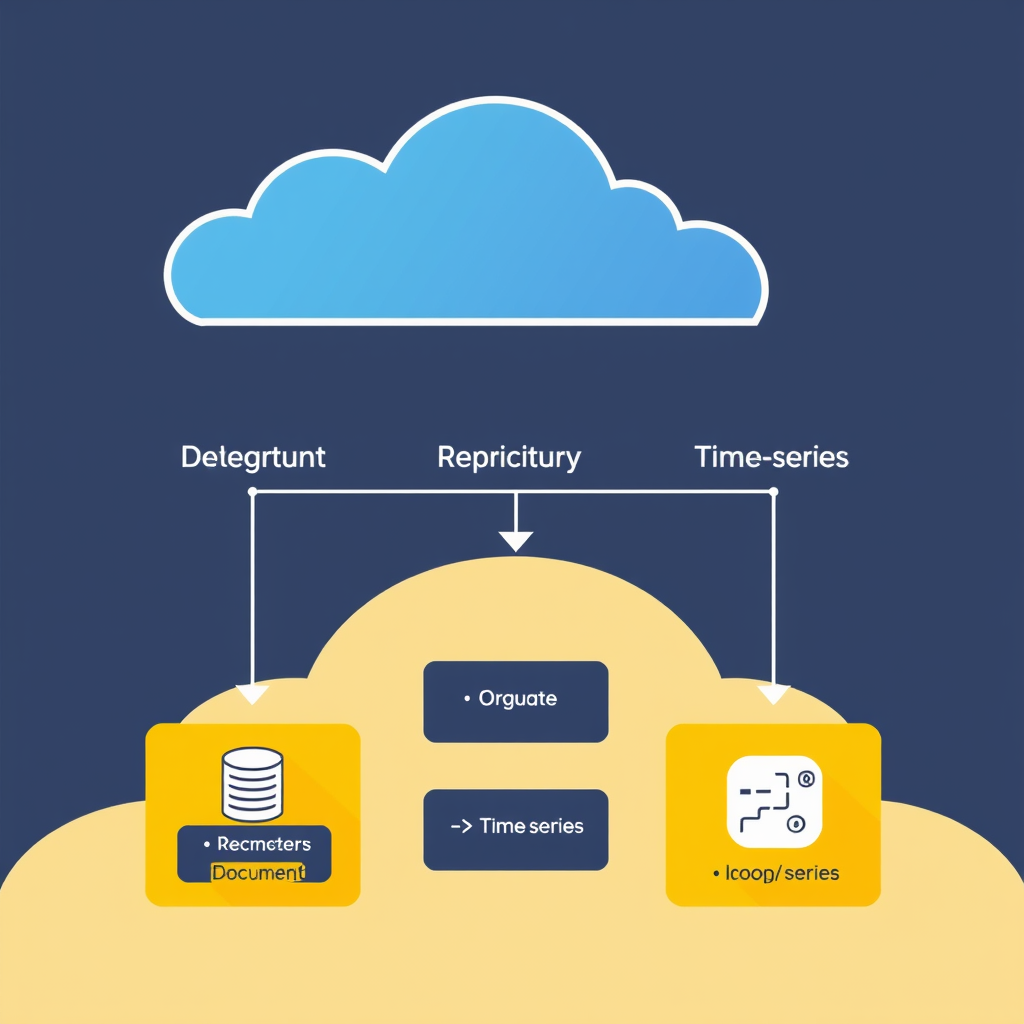
Serverless databases have revolutionized how developers think about data storage in the cloud, offering automatic scaling, pay-per-use pricing, and reduced operational overhead. But with so many serverless database options available— from document stores to relational databases to time-series solutions—the choice can feel overwhelming.
Understanding Serverless Databases
Serverless databases abstract away the underlying infrastructure management, automatically handling capacity planning, scaling, and maintenance. Instead of provisioning and managing servers, you focus on your data model and application logic while the database service handles the rest.
Key benefits of serverless databases include:
- Automatic scaling based on workload
- Pay-per-use pricing (often based on read/write operations and storage)
- Zero operational overhead
- High availability and durability by default
- Global distribution options
Popular Serverless Database Options
1. Document Databases
Examples: MongoDB Atlas, DynamoDB, Couchbase Capella
Best for: JSON-like data, flexible schemas, content management, user profiles
Key features: Automatic scaling, global clusters, flexible data modeling, built-in search capabilities
MongoDB Atlas offers multi-cloud support and advanced security features, while DynamoDB provides true serverless scaling with per-request pricing.
2. Serverless Relational Databases
Examples: Amazon Aurora Serverless v2, CockroachDB Serverless, Neon, Supabase
Best for: Complex queries, transactions, structured data, multi-tenant applications
Key features: SQL compatibility, ACID transactions, horizontal scaling, branching capabilities
Aurora Serverless v2 provides seamless scaling between 2 and 400 ACUs, while CockroachDB Serverless offers true serverless scaling with automatic data rebalancing.
3. Time-Series Databases
Examples: InfluxDB Cloud, TimescaleDB (via Azure Arc), Amazon Timestream
Best for: IoT data, monitoring metrics, event logging, financial data
Key features: Optimized for high-write workloads, automatic downsampling, built-in retention policies
InfluxDB Cloud offers continuous scalability and built-in visualization capabilities, making it ideal for monitoring and analytics workloads.
Decision Framework: Choosing Your Serverless Database
When selecting a serverless database, consider these key factors:
Data Model Requirements
Document stores excel with hierarchical or semi-structured data where relationships might evolve.
Relational databases shine when you need complex joins, transactions, or enforced data integrity.
Time-series databases are purpose-built for timestamped data with high write throughput.
Query Complexity
Simple CRUD operations? Most document databases handle this beautifully. Complex aggregations and joins? Relational databases provide familiar SQL capabilities.
Leave a Reply