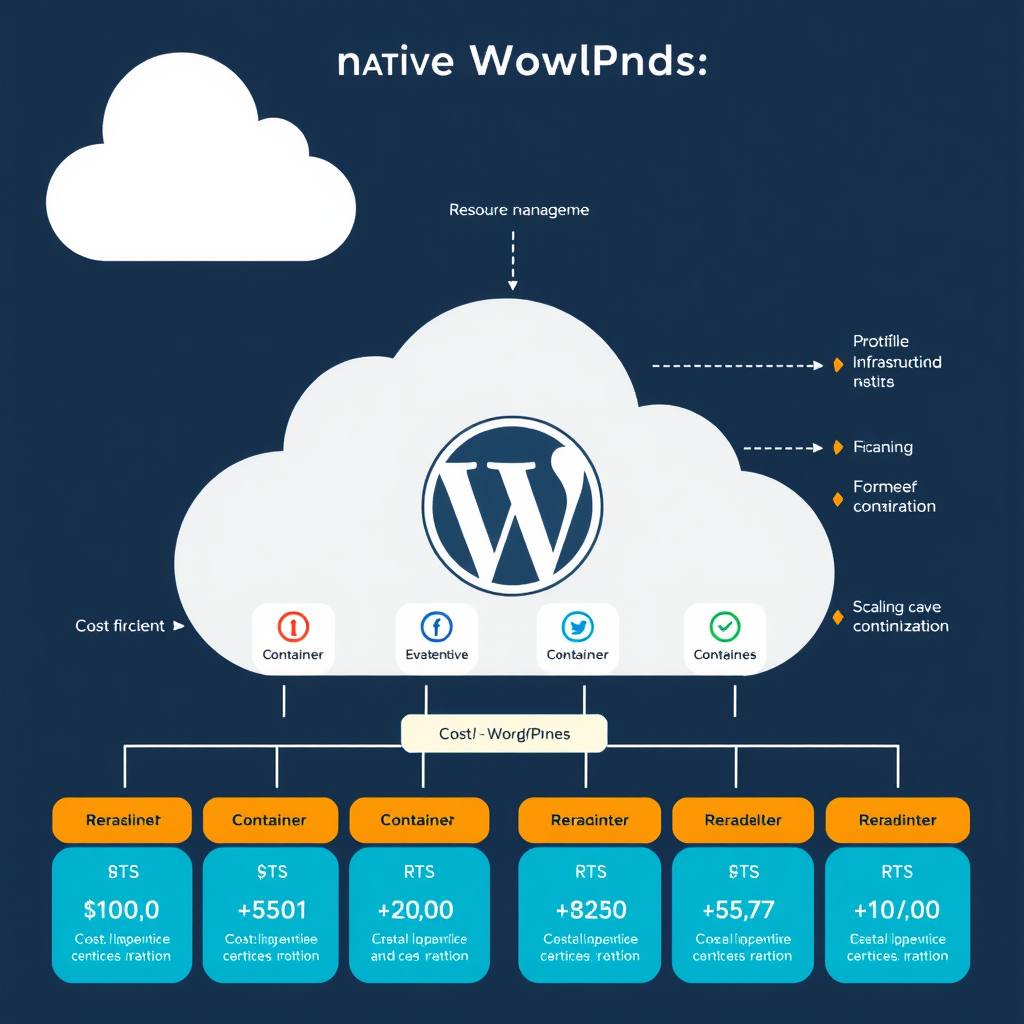
Cloud native WordPress applications present an opportunity to dramatically reduce operational costs while delivering exceptional performance and scalability. This comprehensive guide explores practical cost optimization strategies that WordPress organizations can implement to maximize their cloud investment while maintaining high-quality user experiences.
Understanding Cloud Cost Dynamics in WordPress
Traditional WordPress hosting often leads to over-provisioning, where resources are purchased in anticipation of peak traffic that rarely materializes. Cloud native architectures offer pay-as-you-go models, but without deliberate optimization strategies, costs can quickly spiral out of control. The key is shifting from fixed-cost mentalities to variable-cost optimization approaches that align with actual usage patterns.
Resource Efficiency Optimization
Container Sizing and Resource Limits
Proper container sizing is the foundation of cost optimization. Start by deploying containers with minimal resource requests and limits, then gradually increase based on actual performance metrics. Use horizontal pod autoscaling to dynamically adjust resources based on traffic patterns, ensuring you never pay for idle capacity.
Image Optimization and Layer Caching
WordPress container images often include unnecessary packages and dependencies. Use slim base images, remove build-time artifacts, and implement multi-stage builds to reduce image size. Enable Docker layer caching across builds to minimize repeated work and accelerate deployment cycles.
Infrastructure as Code for Cost Control
Infrastructure as Code (IaC) provides the foundation for predictable cloud costs. Define resource quotas, naming conventions, and cost allocation tags in your IaC templates to prevent resource sprawl. Implement drift detection policies to ensure your running infrastructure matches your intended infrastructure, eliminating ghost resources that continue consuming value.
Use infrastructure cost estimation tools to predict expenses before deployment. Set up automated alerts for cost thresholds and implement automated scaling policies that both optimize performance and control expenses. Consider using cost-optimized instance families and reserved instances for predictable workloads.
WordPress-Specific Optimization Strategies
Database Cost Reduction
WordPress databases are often the largest cost driver in cloud native deployments. Implement read replicas strategically for high-traffic sites, use cloud-native database caching mechanisms, and optimize queries to reduce resource consumption. Consider managed database services that offer automatic scaling and cost optimization features.
Content Delivery Optimization
Leverage edge caching and Content Delivery Networks (CDNs) to minimize database load and reduce bandwidth costs. Implement intelligent caching strategies that balance freshness with performance, using CDN edge rules to serve cached content while maintaining dynamic functionality for personalized experiences. Use cloud-native object storage for media assets to significantly reduce storage costs compared to traditional block storage.
Monitoring and Continuous Optimization
Continuous cost optimization requires comprehensive monitoring and automated optimization workflows. Implement granular cost tracking at the service, container, and database levels to identify cost outliers and optimization opportunities. Set up automated cost-saving workflows that rightsize resources, scale down non-production environments, and implement idle resource detection.
Use machine learning-driven cost prediction tools to forecast expenses and recommend optimization actions. Create FinOps practices that align engineering, finance, and business stakeholders around cost optimization goals while maintaining performance and reliability standards.
Conclusion: Sustainable Cloud Native WordPress
Cost optimization in cloud native WordPress applications isn’t about cutting corners—it’s about building smarter, more efficient systems that deliver exceptional value. By implementing resource efficiency, infrastructure discipline, WordPress-specific optimizations, and continuous monitoring, organizations can achieve significant cost reductions while maintaining high performance and reliability standards.
The journey to cost-optimized cloud native WordPress begins with measurement and awareness. Once you understand your current cost patterns, you can systematically implement optimizations that compound over time, delivering both immediate savings and long-term competitive advantages.
Leave a Reply