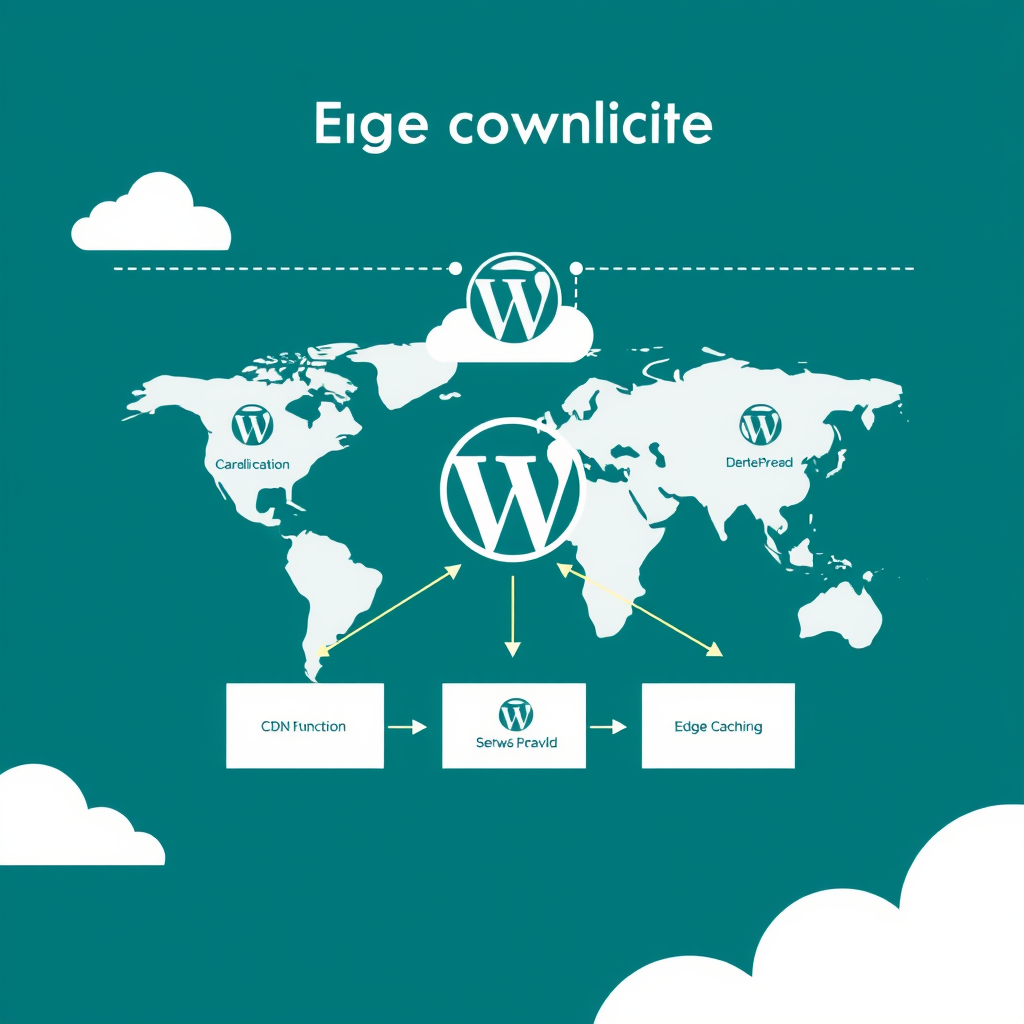
What is Edge Computing?
Edge computing is revolutionizing how WordPress sites deliver content, offering dramatically faster response times by processing requests closer to users. But with various edge technologies available, WordPress site owners need a clear strategy to decide which approaches make the most sense for their specific needs.
Edge Caching Strategies
Edge caching sits at the foundation of any effective edge computing strategy. By storing cached versions of your WordPress content at edge locations worldwide, you can serve content from the nearest server to your visitors, dramatically reducing latency.
- CDN-based caching: Integrate WordPress with Cloudflare, Fastly, or other CDN providers to cache static assets and dynamic content.
- Plugin-based caching: Use plugins like WP-Rocket or W3 Total Cache to enable edge-level caching.
- Cloudflare Workers: Leverage Workers for custom caching logic and edge-side processing.
When to Use CDN Functions
CDN functions represent the sweet spot between full server-side processing and simple caching. These JavaScript functions run at the edge, allowing you to modify content, implement authentication, or perform data transformations without the overhead of full server calls.
Common CDN Function Use Cases
- Image optimization and transformation
- Authentication and authorization
- API response caching and modification
- Geo-based content personalization
Serverless Functions at the Edge
When you need true server-side logic but want the benefits of edge deployment, serverless functions at the edge provide the perfect solution. These allow you to run custom Node.js, Python, or other runtime code closer to your users.
Ideal Use Cases
- Real-time data processing
- Custom API endpoints
- Complex business logic
- Database queries and aggregations
Hybrid Strategy: Combining All Three Approaches
The most effective edge computing strategy for WordPress combines all three approaches in a complementary fashion:
- Edge caching handles static content and simple queries
- CDN functions manage content transformation and basic authentication
- Serverless functions process complex logic and dynamic content
This layered approach ensures optimal performance while maintaining the flexibility to implement sophisticated features as needed.
Implementation Best Practices
Start Simple, Scale Smart
Begin with edge caching and CDN functions, then progressively add serverless functions as your needs evolve. This staged approach minimizes complexity while maximizing immediate performance benefits.
Performance Monitoring
Implement comprehensive monitoring to track edge performance, cache hit rates, and function execution times. Use this data to continuously optimize your edge computing strategy.
Future Considerations
Edge computing continues to evolve rapidly. Look for opportunities to integrate emerging technologies like AI-powered edge processing and more sophisticated edge databases as they mature.
By strategically implementing edge computing technologies today, WordPress site owners can create globally competitive digital experiences that scale efficiently and deliver exceptional user experiences regardless of geography.
Leave a Reply