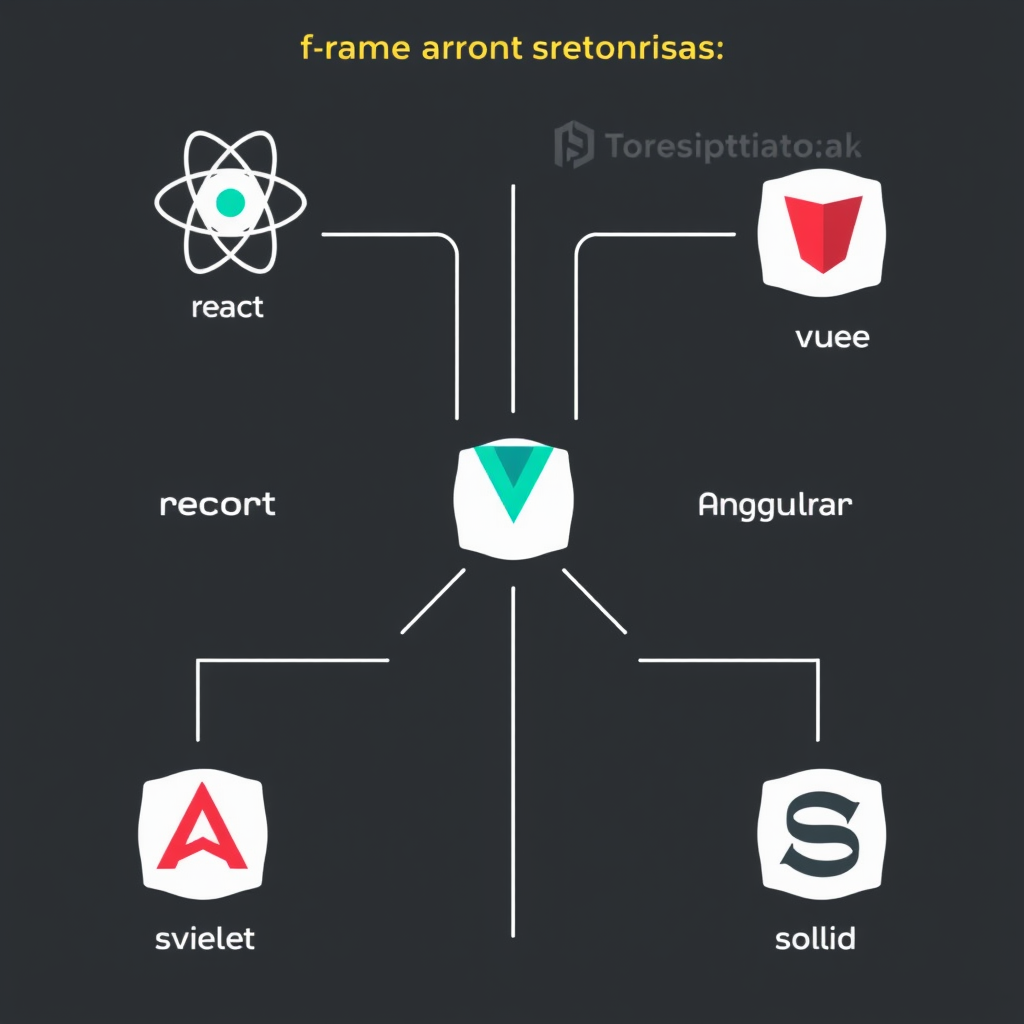
Choosing the right JavaScript framework for your project is one of the most critical decisions you’ll make as a web developer. With so many options available—React, Vue, Angular, Svelte, Solid, and emerging alternatives—it’s easy to feel overwhelmed. This comprehensive guide will help you navigate the landscape and make an informed decision based on your specific project requirements, team expertise, and long-term goals.
What Makes a Framework the Right Choice
Before diving into specific frameworks, consider these key factors that determine whether a framework is the right fit for your project:
Project Scale and Complexity
Small landing pages and simple applications might not need the complexity of a full-featured framework. Large-scale enterprise applications with multiple components, state management, and complex data flow requirements demand robust solutions with comprehensive ecosystems.
Team Experience and Learning Curve
Your team’s existing JavaScript skills significantly impact framework choice. A team already proficient in vanilla JavaScript might prefer a framework with minimal learning curve, while teams willing to invest time in learning new patterns might opt for more powerful but complex solutions.
Performance Requirements
Performance considerations vary by project type. Real-time applications, data visualization tools, and gaming applications require exceptional runtime performance. Content-heavy sites might prioritize initial load time and SEO considerations.
Popular Modern Frameworks Compared
React (Facebook)
React remains the dominant choice for complex applications. Its component-based architecture, massive ecosystem, and strong community support make it suitable for large-scale projects. React’s virtual DOM diffing algorithm provides excellent performance for dynamic interfaces. However, the ecosystem can be overwhelming with countless libraries to choose from, and the framework has evolved significantly over the years.
Vue (Evan You)
Vue offers the best of both worlds—simple enough for small projects while powerful enough for enterprise applications. Its incremental adoption model allows you to start with a few Vue components and gradually adopt the full framework. Vue’s reactivity system is more intuitive than React’s useState/useEffect pattern, making it easier to understand and implement.
Angular (Google)
Angular is a complete solution for enterprise applications. It provides everything out of the box—routing, state management, forms, testing, and more. Angular’s TypeScript-first approach and comprehensive documentation make it suitable for large teams with structured development processes. However, Angular has a steep learning curve and can be overkill for smaller projects.
Svelte (Rich Harris)
Svelte represents a paradigm shift by shifting compilation time work to build processes. Instead of virtual DOM diffing at runtime, Svelte compiles components to highly efficient imperative code. This results in smaller bundle sizes and better runtime performance. Svelte’s syntax is clean and intuitive, making it accessible to developers of all skill levels.
Leave a Reply